Why Demand for Vegetarian and Plant-Based Food Is Growing in Malaysia’s F&B Industry
Malaysia’s food and beverage (F&B) industry is undergoing a noticeable shift. Across restaurants, cafés, catering operators, hotels, cloud kitchens, and foodservice distributors, vegetarian and plant-based offerings are no longer niche products — they are becoming commercial necessities.
Among these categories, vegetarian frozen food has emerged as one of the fastest-growing segments, driven by changing consumer behaviour, operational efficiency needs, and expanding menu expectations.
From vegetarian dim sum to vegetarian fish and mock meat, plant-based alternatives are now widely accepted across mainstream dining formats.
For B2B players in Malaysia’s F&B ecosystem, understanding why this demand is accelerating and how to respond strategically is critical to staying competitive.
Malaysia’s Changing Food Consumption Landscape
Malaysia’s population is becoming increasingly urban, time-constrained, and diverse in dietary preferences.
According to data published by the Department of Statistics Malaysia (DOSM), food consumption patterns are evolving alongside demographic and lifestyle changes, particularly in urban centres such as Klang Valley, Penang, and Johor Bahru.
Several structural shifts are influencing this trend:
Greater exposure to international cuisines and global food trends
Rising demand for menu variety without compromising operational efficiency
Stronger acceptance of flexitarian and meat-reduced diets
Increased participation in meat-free dining for cultural, religious, or lifestyle reasons
Importantly, plant-based food demand in Malaysia is not limited to vegetarian consumers. A large portion of growth comes from mainstream diners who are open to plant-based options when taste, texture, and presentation meet expectations.
Why Vegetarian Frozen Food Appeals to F&B Operators
From a B2B perspective, vegetarian frozen food offers compelling operational and commercial advantages.
Operational consistency
Frozen plant-based products allow kitchens to maintain consistent portioning, taste, and presentation across multiple outlets. This is particularly valuable for restaurant chains, franchises, and caterers.
Reduced preparation complexity
Many vegetarian frozen products are pre-processed and ready to cook, helping kitchens:
Reduce prep time
Minimise skilled labour dependency
Maintain speed during peak hours
Inventory and cost control
Compared to fresh meat and seafood, frozen vegetarian products generally offer:
Longer shelf life
Lower spoilage risk
More predictable cost management
These factors make vegetarian frozen food an attractive solution for B2B buyers looking to scale efficiently while expanding menu offerings.
For a deeper industry overview, operators can explore currentvegetarian frozen food trendsand how they are shaping menu development strategies across Malaysia.
The Rise of Plant-Based Meat as a Mainstream Menu Category
Plant-based meat has evolved significantly in recent years. Modern formulations now closely replicate the texture, mouthfeel, and cooking performance of conventional meat, making them suitable for a wide range of cuisines.
In Malaysia’s F&B sector, plant-based meat is increasingly used in:
Rice and noodle dishes
Western and Asian fusion menus
Local favourites adapted with vegetarian protein
Shared dining formats such as hotpot and set meals
This shift is driven not by ideology alone, but by commercial practicality. Restaurants that include plant-based meat options are better positioned to:
Serve mixed-diet groups
Capture incremental orders
Increase menu inclusivity without major kitchen changes
Industry analysis from regional market reports highlights Malaysia as a key growth market for plant-based food, supported by strong foodservice adoption and consumer openness.
Vegetarian Dim Sum and Shared Dining Formats Gaining Momentum
One notable trend within the vegetarian segment is the growing popularity of vegetarian dim sum.
Dim sum is inherently suited to plant-based adaptation due to its:
Portion-based format
Emphasis on texture and filling
Compatibility with frozen storage and preparation
For F&B businesses, vegetarian dim sum offers:
High menu versatility
Strong appeal for group dining
Easy integration into existing dim sum or Chinese cuisine menus
Frozen vegetarian dim sum also aligns well with banquet catering, hotel buffets, and cloud kitchens where speed and consistency are critical.
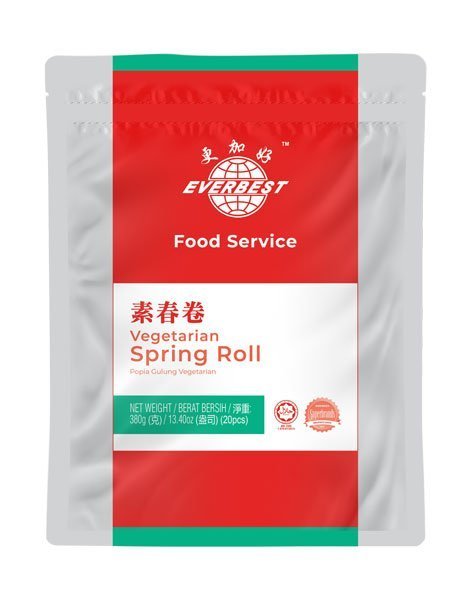
Operators looking to diversify into this category can explore dedicated mock dim sum series designed specifically for foodservice use.
Vegetarian Fish: Meeting Demand Without Compromising Familiarity
Seafood is a staple in Malaysian cuisine, but rising costs and supply volatility have made seafood alternatives increasingly attractive.
Vegetarian fish products provide a practical solution by offering:
Familiar seafood-style textures
Compatibility with traditional cooking methods (steaming, frying, saucing)
Stable pricing and supply
These products are especially popular in:
Chinese restaurants
Mixed-diet family dining concepts
Catering menus where inclusivity matters
For B2B buyers, vegetarian fish enables menu expansion without introducing cross-contamination risks or additional cold-chain complexity associated with fresh seafood.
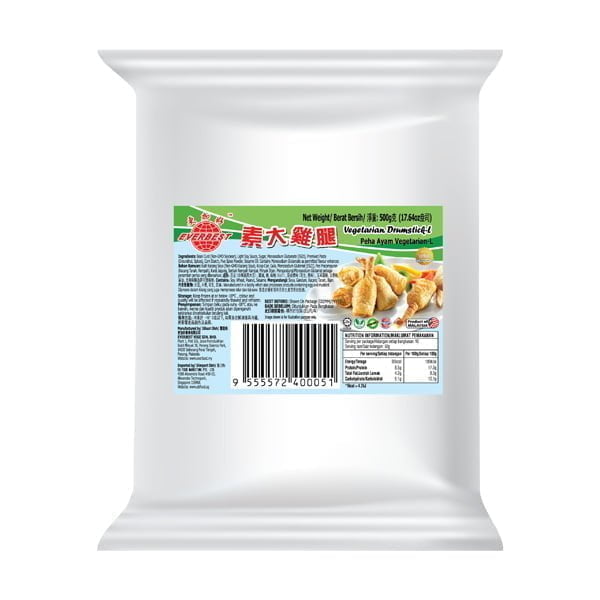
Dedicated mock seafood product series are now widely adopted by operators seeking reliable seafood-style alternatives.
Why B2B Buyers Are Driving Plant-Based Growth
Unlike consumer-led food trends that fluctuate quickly, B2B adoption of plant-based food is driven by structural business needs.
Key motivations include:
Menu inclusivity
Restaurants increasingly need menus that accommodate:
Vegetarian customers
Flexitarians
Religious dietary considerations
Plant-based options allow businesses to serve wider audiences without fragmenting operations.
Brand positioning
Offering plant-based choices signals modernity, adaptability, and awareness of global food trends — attributes increasingly valued by corporate clients and urban consumers.
Scalability
Frozen plant-based products are easier to scale across outlets compared to fresh alternatives, making them ideal for:
Restaurant chains
Central kitchens
Catering groups
These factors explain why B2B demand continues to grow steadily rather than peaking as a short-term trend.
Product Categories Supporting F&B Menu Innovation
To meet this growing demand, suppliers are developing specialised product ranges tailored to foodservice needs.
These categories allow chefs and menu planners to innovate while maintaining operational efficiency.
Education and Awareness Supporting Market Growth
As plant-based food becomes more mainstream, education plays a key role in adoption — particularly for operators new to the category.
Guides explaining plant-based diets, ingredient sourcing, and menu integration help F&B businesses make informed decisions and avoid misconceptions.
For operators seeking foundational knowledge, this vegetarianism guide for beginners provides useful context for understanding customer expectations and product applications.
Similarly, long-term industry outlooks show that plant-based meat is positioned not as a replacement trend, but as a permanent fixture in future food systems.
What This Means for Malaysia’s F&B Industry
The growth of vegetarian and plant-based food in Malaysia’s F&B industry reflects commercial logic rather than temporary hype.
For B2B operators, the implications are clear:
Plant-based menus expand addressable markets
Frozen vegetarian products support operational efficiency
Plant-based meat enables innovation without alienating mainstream diners
Businesses that integrate vegetarian frozen food, vegetarian dim sum, and vegetarian fish into their offerings are better positioned to meet evolving customer expectations while maintaining cost control and consistency.
Conclusion: A Structural Shift, Not a Passing Trend
Demand for vegetarian and plant-based food in Malaysia’s F&B industry is growing because it solves real business challenges — from menu inclusivity to supply stability and scalability.
As plant-based meat continues to improve in quality and versatility, and as frozen formats support operational needs, this category will remain a core component of modern F&B strategies.
For B2B decision-makers, the question is no longer whether plant-based food belongs on the menu, but how effectively it can be integrated to support long-term growth.
As Everbest continues to grow, we’re fully committed to creating value in order to serve our valued customers both locally and globally. We are pleased to announce that our new manufacturing facilities located in the Penang Science Park had started operations in the second half of 2013.
From the humble beginning of a family-based management, we had successfully transformed to corporate management in order to cater for our growing customer base. This change will help us to improve upon the implementation of our core values and principles that will allow us to achieve our goals.
Along with recruiting and nurturing a pool of talented, competent, knowledgeable and skillful people, we will also develop a structural capital meant to better our management system, food safety and quality, integrated manufacturing system and effective supply chain management. With these, we can ensure our customers that we will continue to be an innovative force in developing and promoting soybean products of the highest quality.
In order to emphasize our ‘customers come first’ policy, we will continue to forge relationships and partnerships with our suppliers and customers that will increase mutual benefits. This is because we acknowledge that you play an important role as an intangible value to us for your success equates our success as well.
And finally, in light of all these changes, I would like to show my gratitude and thank everyone at Everbest – from the management team to all employees – as well as all our suppliers and customers for the effort that they have put in to realize our goals. The growth of this company would not have been possible without you.
Thank you.
Packaging
Type: Salted / Unsalted
Weight/packet: –
No. of packet/carton: –
Unit m3/carton: –
Note: Contact us on any sizes, any shapes, and any packaging you want.