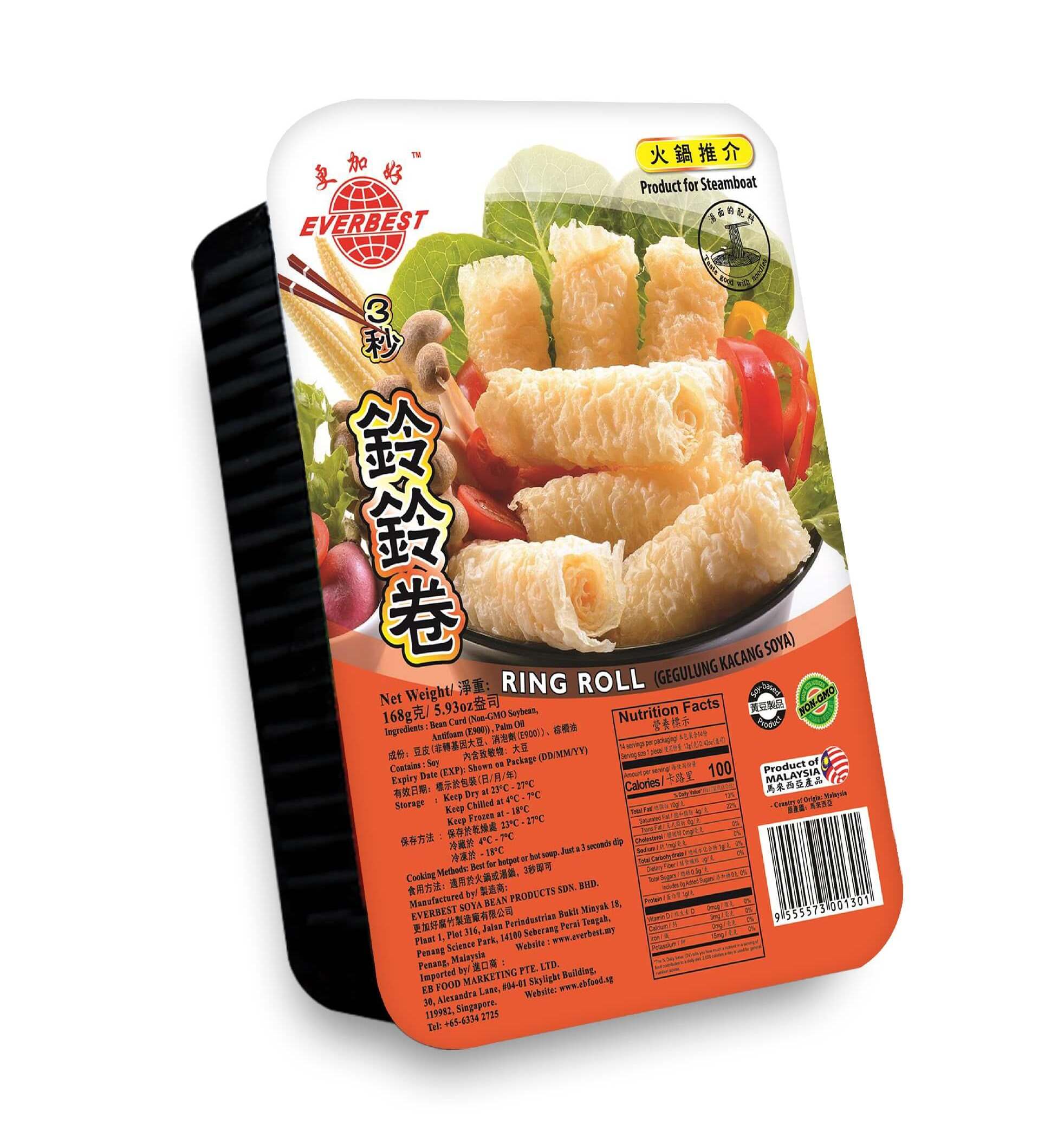
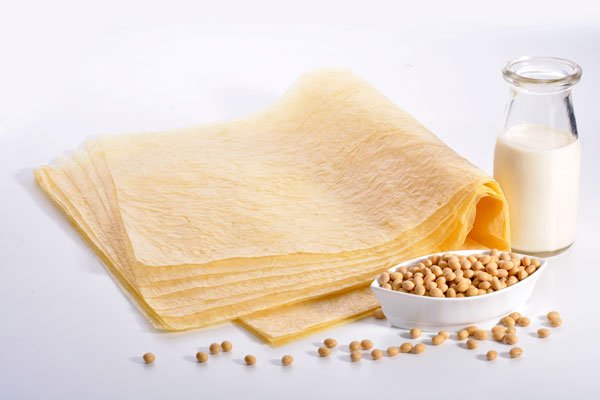
For vegetarians on the lookout for nutritious and convenient meal options, frozen foods offer a surprising range of advantages.
While fresh produce might seem like the healthier choice, frozen vegetarian foods hold their own in terms of nutrition and boast several other benefits that make them a valuable addition to any vegetarian kitchen.
Are Fresh Vegetables Always Better than Frozen Ones?
Fresh vegetables, despite their widespread acclaim, don’t necessarily hold the ultimate crown when it comes to nutrition. As produce starts on its journey from farm to supermarket, it endures a lengthy journey that often results in the loss of vital vitamins and minerals along the way.
However, freezing offers a swift preservation solution that effectively seals in nutrients at their prime. Vegetables are usually frozen shortly after being plucked from the earth, thereby preserving their nutritional potency at its peak.
Why Consider Frozen Vegetarian Options?
There are numerous reasons to include frozen vegetarian foods into your diet. Let’s explore some of the key benefits they offer:
Variety and Global Flavors
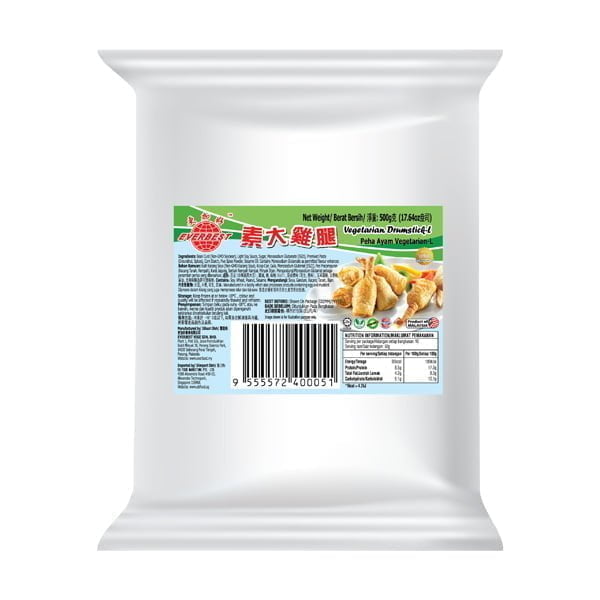
Frozen food aisles are no longer limited to basic peas and corn. The selection of frozen vegetarian options has exploded in recent years, offering a wide variety of vegetables, meat alternatives such as vegetarian drumsticks, and pre-made meals.
From exotic stir-fry mixes featuring Asian vegetables to flavorful rice and bean blends, frozen options allow you to explore global cuisines and expand your vegetarian repertoire with minimal effort.
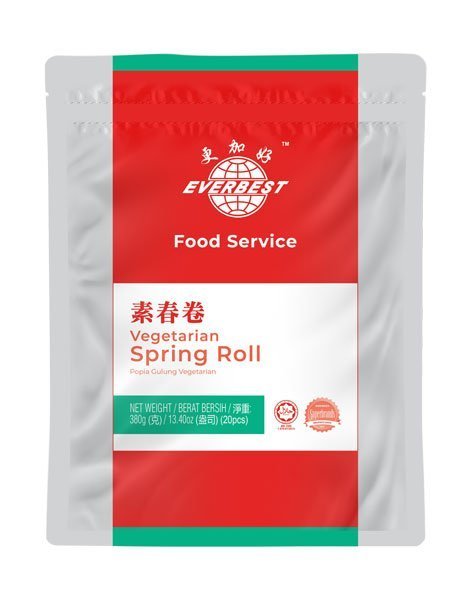
Need a quick and delicious vegetarian take on a classic dish? Frozen vegetarian dim sum fillings can be steamed or pan-fried to create a restaurant-quality appetizer right at home.
Year-round Availability
Seasonal limitations are a thing of the past with frozen vegetables. Craving asparagus in December? No problem! Frozen options ensure consistent access to your favorite fruits and vegetables, regardless of the season.
This is particularly beneficial for vegetarians who rely heavily on plant-based protein sources like beans and peas, which might be unavailable fresh during certain times of the year.
Portion Control and Reduced Prep Time
Frozen vegetables often come in pre-portioned bags, making portion control a breeze. This can be especially helpful for those watching their calorie intake or managing specific dietary needs.
Additionally, frozen options are pre-washed and chopped, eliminating the time-consuming prep work of chopping vegetables. This allows you to throw together a healthy and delicious meal in minutes, perfect for busy weeknights or when time is tight.
Dietary Needs and Allergies
When it’s time to enjoy your freezer meals, proper thawing is necessary to ensure optimal taste and texture. The safest method is to transfer the frozen meal to the refrigerator and allow it to thaw overnight.
Alternatively, you can use the defrost setting on your microwave for quicker results. Once thawed, reheat the meal thoroughly before serving to ensure it reaches a safe internal temperature.
Foods Retain Vitamins and Phytonutrients
The flash-freezing process used for most frozen vegetables minimizes nutrient loss. This technique quickly freezes the vegetables, halting enzymatic activity that can degrade vitamins.
Frozen vegetables can often retain more vitamins like vitamin C, folate, and beta-carotene than fresh produce that has been sitting on a shelf for days.
For example, frozen vegetarian drumsticks, a popular meat substitute, are a good source of protein and fiber. Flash-freezing helps lock in these nutrients, making them a healthy and convenient alternative to fresh drumsticks.
Similarly, frozen vegetarian dim sum fillings can offer a delightful and nutritious twist on a classic Asian dish, without compromising on vitamin content.
Frozen Foods Are More Convenient
Time is precious in today’s busy world. Frozen vegetarian meals offer an effortless solution for creating quick and healthy meals.
No more chopping, washing, and prepping vegetables – frozen options are ready to cook in minutes, allowing you to whip up a nutritious vegetarian stir-fry or a hearty veggie burger in a fraction of the time.
This convenience also encourages healthy eating habits, making it easier to incorporate vegetables into your diet on a regular basis.
Frozen Meat May Actually be “Fresher”
Frozen meat alternatives often undergo stricter quality control measures than their fresh counterparts. Freezing halts bacterial growth, which can be a concern with fresh meat products.
Furthermore, frozen vegetarian options are typically free from added hormones or antibiotics that might be present in some conventionally raised meats. This can be a significant advantage for health-conscious vegetarians.
Less Expensive
Frozen vegetarian foods are generally more affordable than fresh produce. Since they have a longer shelf life, there is less risk of spoilage and wasted money.
Frozen options also offer consistent pricing throughout the year, unlike fresh produce whose prices can fluctuate depending on season and availability.
Reduce Waste
Food waste is a significant global issue. Frozen vegetables have a much longer shelf life than fresh produce, which reduces the likelihood of spoilage and wasted food. This translates to less money wasted and a smaller environmental footprint.
The convenience of frozen meals also discourages impulse purchases and overbuying of fresh produce that might later spoil.
In a Nutshell
All in all, frozen vegetarian foods offer a compelling combination of nutrition, convenience, affordability, and reduced waste.
Next time you are at the supermarket, consider adding some frozen vegetarian options, such as vegetarian drumstick and dim sum for vegetarians, to your shopping cart. You might be surprised at the variety, quality, and health benefits they offer.
As Everbest continues to grow, we’re fully committed to creating value in order to serve our valued customers both locally and globally. We are pleased to announce that our new manufacturing facilities located in the Penang Science Park had started operations in the second half of 2013.
From the humble beginning of a family-based management, we had successfully transformed to corporate management in order to cater for our growing customer base. This change will help us to improve upon the implementation of our core values and principles that will allow us to achieve our goals.
Along with recruiting and nurturing a pool of talented, competent, knowledgeable and skillful people, we will also develop a structural capital meant to better our management system, food safety and quality, integrated manufacturing system and effective supply chain management. With these, we can ensure our customers that we will continue to be an innovative force in developing and promoting soybean products of the highest quality.
In order to emphasize our ‘customers come first’ policy, we will continue to forge relationships and partnerships with our suppliers and customers that will increase mutual benefits. This is because we acknowledge that you play an important role as an intangible value to us for your success equates our success as well.
And finally, in light of all these changes, I would like to show my gratitude and thank everyone at Everbest – from the management team to all employees – as well as all our suppliers and customers for the effort that they have put in to realize our goals. The growth of this company would not have been possible without you.
Thank you.
Packaging
Type: Salted / Unsalted
Weight/packet: –
No. of packet/carton: –
Unit m3/carton: –
Note: Contact us on any sizes, any shapes, and any packaging you want.