Vegetarian Meat vs Plant-based Meat: Are They the Same?
Vegetarian meat and plant-based meat are not the same
Vegetarian meat may contain animal by-products like eggs or dairy, while plant-based meat is made entirely from plants and is suitable for vegans.
Introduction
With the rise of healthier and more sustainable diets, terms like vegetarian meat and plant-based meat are often used interchangeably. However, they are not identical.
Understanding the difference can help you make better dietary choices—whether you’re aiming for a vegan lifestyle, improving your health, or reducing your environmental impact.
What Is Vegetarian Meat?
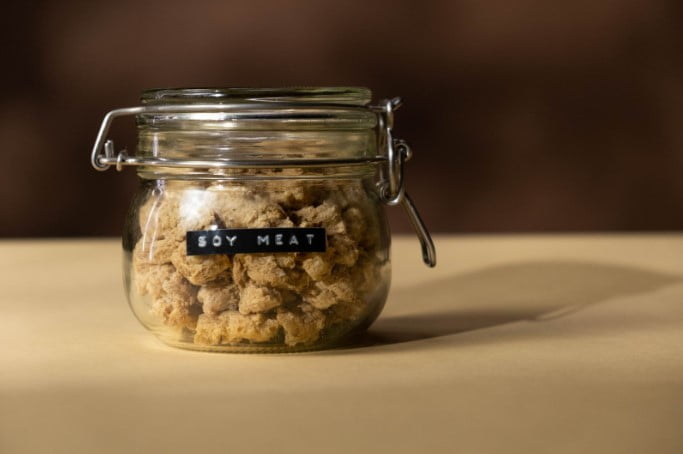
Vegetarian meat, often known as mock meat, is designed to replicate the taste and texture of real meat—but it may still contain animal-derived ingredients.
Common ingredients:
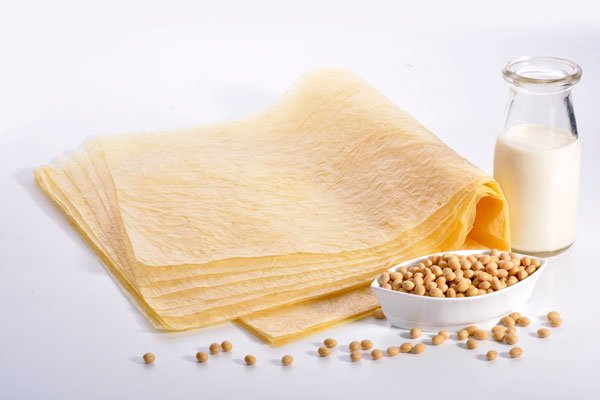
Soy protein or wheat gluten
Eggs
Dairy products (e.g. milk, cheese)
👉 This means not all vegetarian meat is vegan-friendly.
What Is Plant-Based Meat?
Plant-based meat is made entirely from plant-derived ingredients, with no animal products involved.
Common ingredients:
Soy protein
Pea protein
Mushrooms
Legumes and grains
👉 Plant-based meat is 100% vegan and suitable for those avoiding all animal products.
Key Differences Between Vegetarian Meat and Plant-Based Meat
Feature
Vegetarian Meat
Plant-Based Meat
Animal by-products
May include eggs/dairy
None
Vegan-friendly
❌ Not always
✅ Yes
Ingredients
Mixed (plant + animal-derived)
100% plant-based
Target audience
Vegetarians
Vegans & plant-based eaters
A Dietary Comparison
Vegetarian meats, as aforementioned, are typically highly processed, have little nutritional value, and use a lot of salt and unhealthy additives. Even some have been discovered to contain substances sourced from animals.
Researchers working on production technology, biochemistry, and nutritional profiles are continually refining the more recent plant-based proteins, which have been developed via considerable research.
Since they don’t contain cholesterol, have more fibre and less saturated fat than meat, they typically have superior nutritional value.
Plant-based proteins are also frequently linked to high protein levels and supplemental intake of vital minerals like zinc and B12.
Some plant-based meats use healthy ingredients like coconut oil and beet juice to make them look and taste like meat.
Both options are more sustainable than conventional meat.
Benefits include:
Lower carbon footprint
Reduced water usage
Less reliance on livestock farming
👉 Plant-based meat typically has a slightly lower environmental impact, as it avoids all animal-derived inputs.
Diets with plant protein offer many advantages
Protein is an essential macronutrient for humans. It is essential as a nutrient for strong muscles, healthy hair, nails, and skin, as well as other biochemical activities. Your body is made up of about 20% protein.
For every kilogram of body weight, you require roughly 0.8 grams of protein every day.
When it comes to giving the body enough proteins, there is no distinction between proteins derived from animals and plants. The 22 amino acids are identical in both forms, although they are distributed differently.
The nine essential amino acids that your body can’t synthesize on its own are also found in vegan-friendly foods like pumpkin seeds, chia seeds, hemp seeds, quino, buckwheat, and soy.
You can get all the important amino acids from plant-based proteins without the meat’s high calorie, cholesterol, and saturated fat content. In light of this, plant-based meat may aid in weight loss.
In fact, plant-based diets have been associated with lower levels of body weight, cholesterol, heart disease, and blood pressure. In comparison to non-vegetarians, vegetarians had a lower risk of death from heart disease, cancer, diabetes, and stroke.
Which Should You Choose?
Your choice depends on your lifestyle:
Choose vegetarian meat if:
You are vegetarian but still consume eggs or dairy
You prefer a wider variety of textures
Choose plant-based meat if:
You follow a vegan diet
You want a fully plant-based lifestyle
You prioritise sustainability
Explore Plant-Based Alternatives
Looking to switch to a healthier and more sustainable diet?
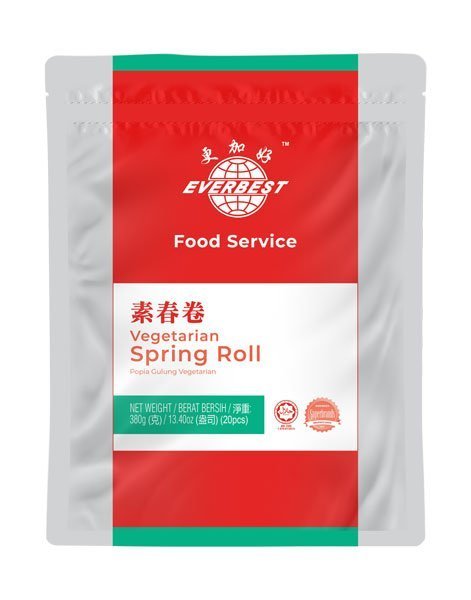
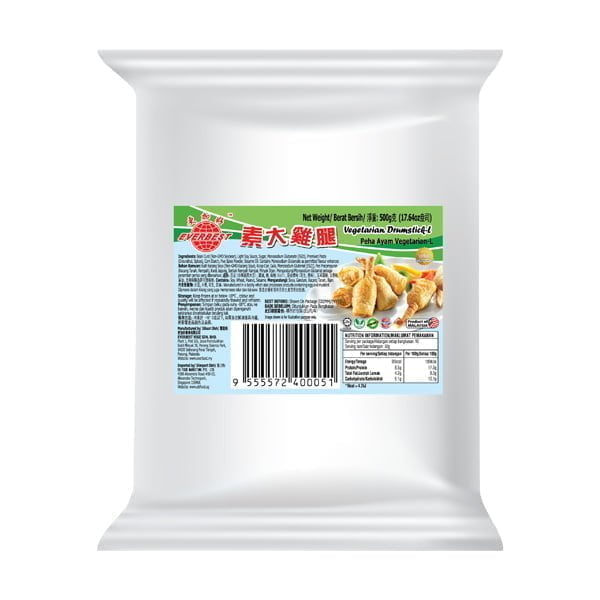
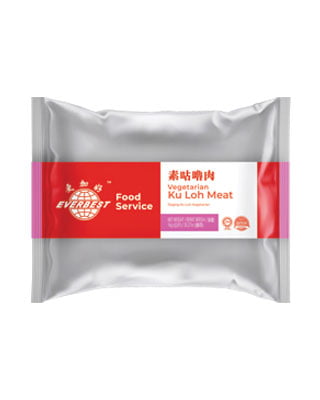
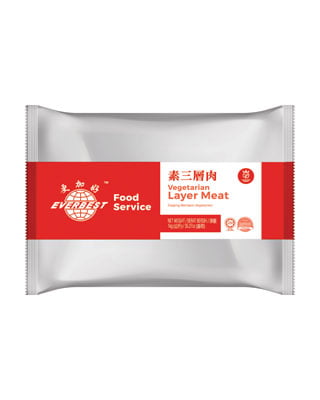
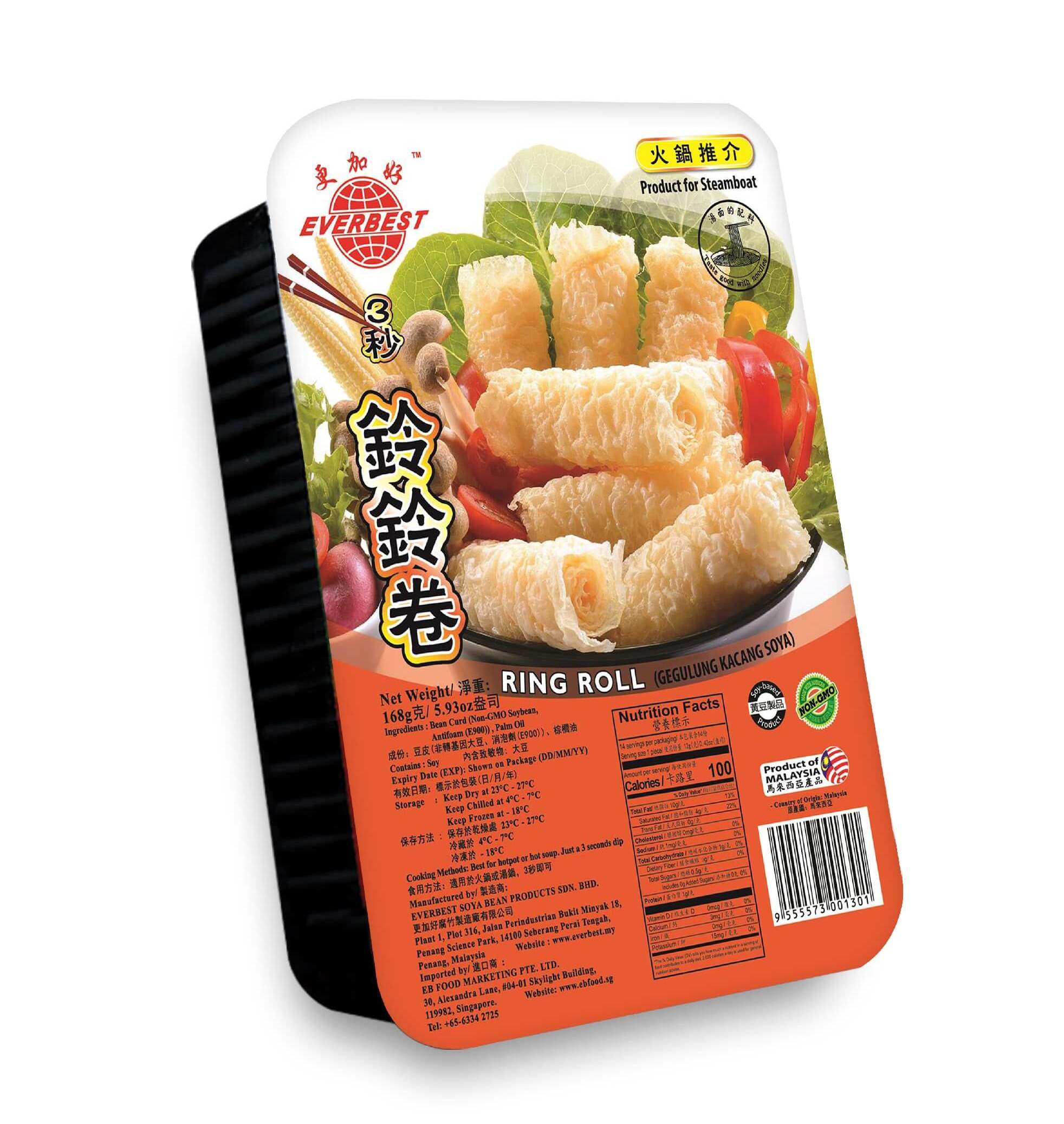
Discover a wide range of delicious options with Everbest’s mock meat and plant-based products, crafted to deliver great taste without compromise.
Frequently Asked Questions (FAQ) About Vegetarian Meat and Plant based Meat
Yes, many products are processed, but healthier options are available depending on ingredients and preparation methods.
Takeaways
Traditional meats are more expensive because they are produced in large quantities in animal agriculture as opposed to plant-based meats, which are produced on a much smaller scale.
Finally, vegetarian meat and plant-based meats are almost the same yet different in terms of nutritional value. Consuming plant-based meat tends to be healthier than consuming actual meat.
As Everbest continues to grow, we’re fully committed to creating value in order to serve our valued customers both locally and globally. We are pleased to announce that our new manufacturing facilities located in the Penang Science Park had started operations in the second half of 2013.
From the humble beginning of a family-based management, we had successfully transformed to corporate management in order to cater for our growing customer base. This change will help us to improve upon the implementation of our core values and principles that will allow us to achieve our goals.
Along with recruiting and nurturing a pool of talented, competent, knowledgeable and skillful people, we will also develop a structural capital meant to better our management system, food safety and quality, integrated manufacturing system and effective supply chain management. With these, we can ensure our customers that we will continue to be an innovative force in developing and promoting soybean products of the highest quality.
In order to emphasize our ‘customers come first’ policy, we will continue to forge relationships and partnerships with our suppliers and customers that will increase mutual benefits. This is because we acknowledge that you play an important role as an intangible value to us for your success equates our success as well.
And finally, in light of all these changes, I would like to show my gratitude and thank everyone at Everbest – from the management team to all employees – as well as all our suppliers and customers for the effort that they have put in to realize our goals. The growth of this company would not have been possible without you.
Thank you.
Packaging
Type: Salted / Unsalted
Weight/packet: –
No. of packet/carton: –
Unit m3/carton: –
Note: Contact us on any sizes, any shapes, and any packaging you want.